Month: November 2026

E111 Best Practices for Successful Transitioning of New School Board Trustees

E111 Best Practices for Successful Transitioning of New School Board Trustees

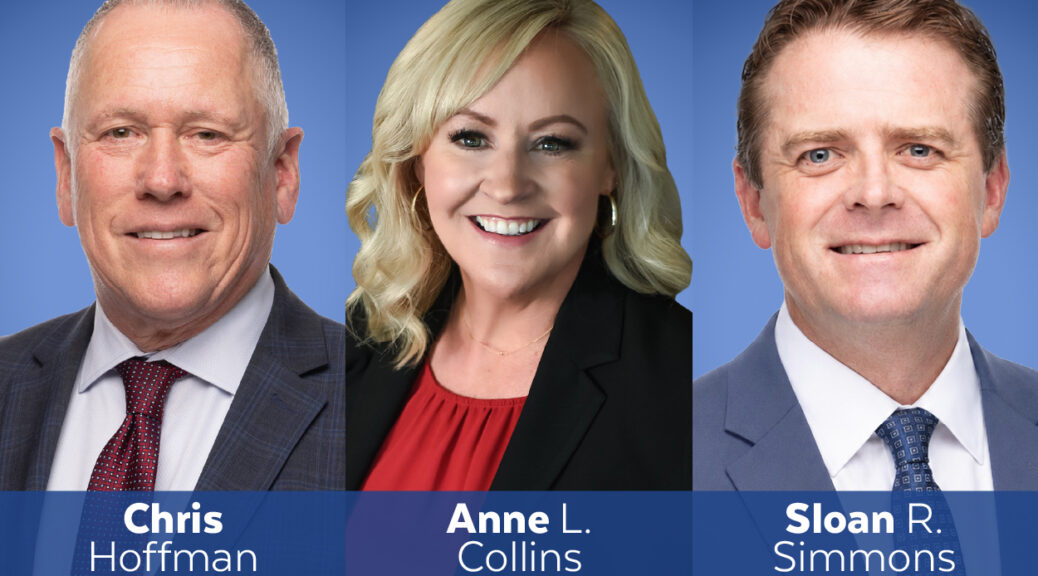
This Lozano Smith Podcast episode is brought to you by Lozano Smith and its Concierge Consulting Services (CCS).  The November elections have passed, and newly elected school board trustees await to take their seats for their respective school districts.  School district leadership is faced with a new composition of school board members who may or may not have experience or expertise in school district policy or leadership, meeting protocols, community relations, and the larger political, organizational, and legal concepts attendant to a California school board.  In this episode, host Sloan Simmons engages with Lozano Smith CCS expert Chris Hoffman and Partner Anne Collins regarding their unique expertise and practical recommendations for the successful transition of new governing board trustee members into a district and school board leadership team following an election.

Show Notes & References

  • 2:17 – Potentials issues with changes to school board compositions
  • 5:33 – Legal aspects in play during transition periods for board members
  • 10:52 – Recommendations to make transition periods smoother
  • 12:55 – Providing materials for new board members
  • 14:45 – Governance Handbook and Board Bylaws
  • 17:43 – CSBA Masters in Governance (MIG) Sessions
  • 18:25 – Opportunities to support new board members
  • 20:01 – Social media use
  • 21:45 – Best practices for continuing to develop a shared governance model for board members
  • 26:24 – Ongoing communication between a Superintendent and board members


For more information on the topics discussed in this podcast, please visit our website at: www.lozanosmith.com/podcast


Disclaimer: As the information contained herein is necessarily general, its application to a particular set of facts and circumstances may vary. For this reason, this podcast episode does not constitute legal advice. We recommend that you consult with your counsel prior to acting on the information contained herein.
E110 POBR and FOBR: A Primer on California’s Police Officer’s and Firefighter’s Bill of Rights

E110 POBR and FOBR: A Primer on California’s Police Officer’s and Firefighter’s Bill of Rights

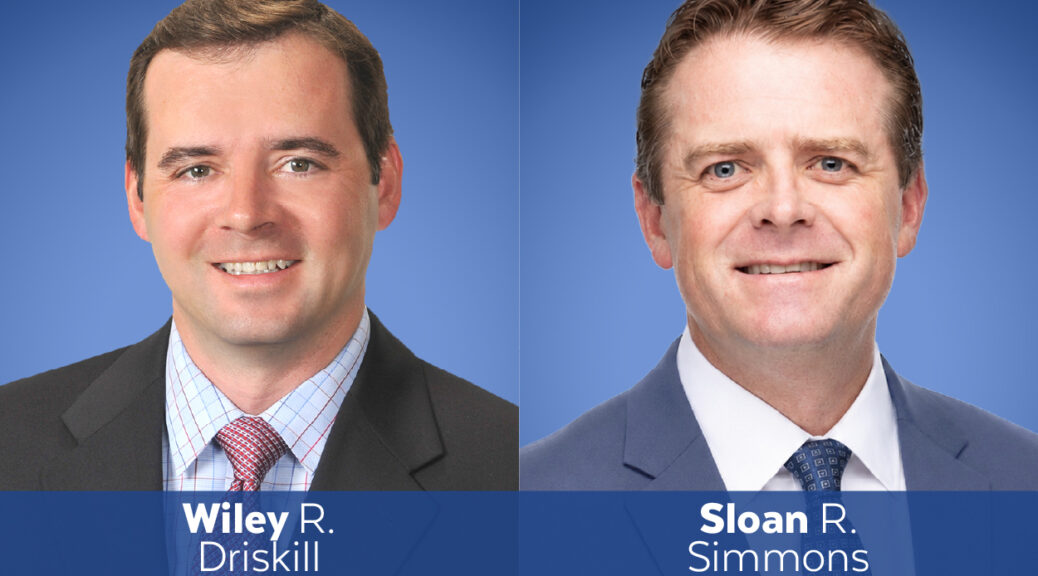
Join host Sloan Simmons as he sits down with Partner Wiley Driskill to discuss California’s Police Officer’s Bill of Rights (POBR) and Firefighter’s Bill of Rights (FOBR).  This back and forth provides a useful primer for municipal employers regarding the purpose of the POBR and FOBR statutory schemes, the rights they entitle to law enforcement officers and firefighters in the context of disciplinary investigations, personnel files, and other matters.

Show Notes & References

  • 1:15 – Overview of the Police Officers Bill of Rights (POBR) (1976) and the Firefighters Bill of Rights (FOBR) (2007)
  • 3:15 – The legislative intent behind POBR and FOBR
  • 4:13 – Punitive actions under POBR and FOBR
  • 5:48 – Employee protections and rights during investigations
  • 6:51 – Notices afforded to employees prior to and during investigation
  • 7:55 – Evidence and recording during investigations
  • 11:50 – Refusal to answer questions during the interview
  • 12:06 –Lybarger v. City of Los Angeles (1985) 40 Cal.3d 822
  • 14:45 – The right to representation
  • 15:37 – Timelines for commencing investigations and statutes of limitations
  • 21:27 – Rules around employee personnel files
  • 22:35 – The right to inspect personnel files
  • 23:40 – Legal options for employees with position that rights have been violated
  • 24:08 – Exhaustion of administrative remedies is not a requirement under POBR and FOBR
  • 25:25 – Potential outcomes if employee prevails in legal action alleging violations


For more information on the topics discussed in this podcast, please visit our website at: www.lozanosmith.com/podcast


Disclaimer: As the information contained herein is necessarily general, its application to a particular set of facts and circumstances may vary. For this reason, this podcast episode does not constitute legal advice. We recommend that you consult with your counsel prior to acting on the information contained herein.